

Assessing cows in a structured way
Mind the gap
I can only emphasize how important it is to see everything. I know that most vets and advisors see a lot, but, in my humble experience, most of them also miss quite some cow signals. We always stay in our own comfort zone, which could be feed, health, breeding or milk quality for example. All aspects influence each other and in the end, animal welfare. We look at things through coloured lenses and that leaves us with gaps.
Use a checklist to remember everything
Your short term memory can contain an average of 7 pieces of information at the same time. That doesn’t give you much to remember everything you need to check when you’re at a farm. That’s why checklists are so important. With CowSignals we use 3 checklists with a total of 56 questions, that will help you remember everything you need to do.
I always like to compare it to pilots. They have an entire checklist they have to do before they can take off. You can’t fly if the tyre pressure is too low, like a cow can’t walk if she’s lame. A pilot checks the plane’s tank, you need to check the cow’s tank. How is the rumen fill?
From large to small
Going from big to large is a good way to make sure you don’t miss anything. My own checklists always have these three steps:
1. Looking from the feed alley to get an overview
2. Go between the cows and see how they move
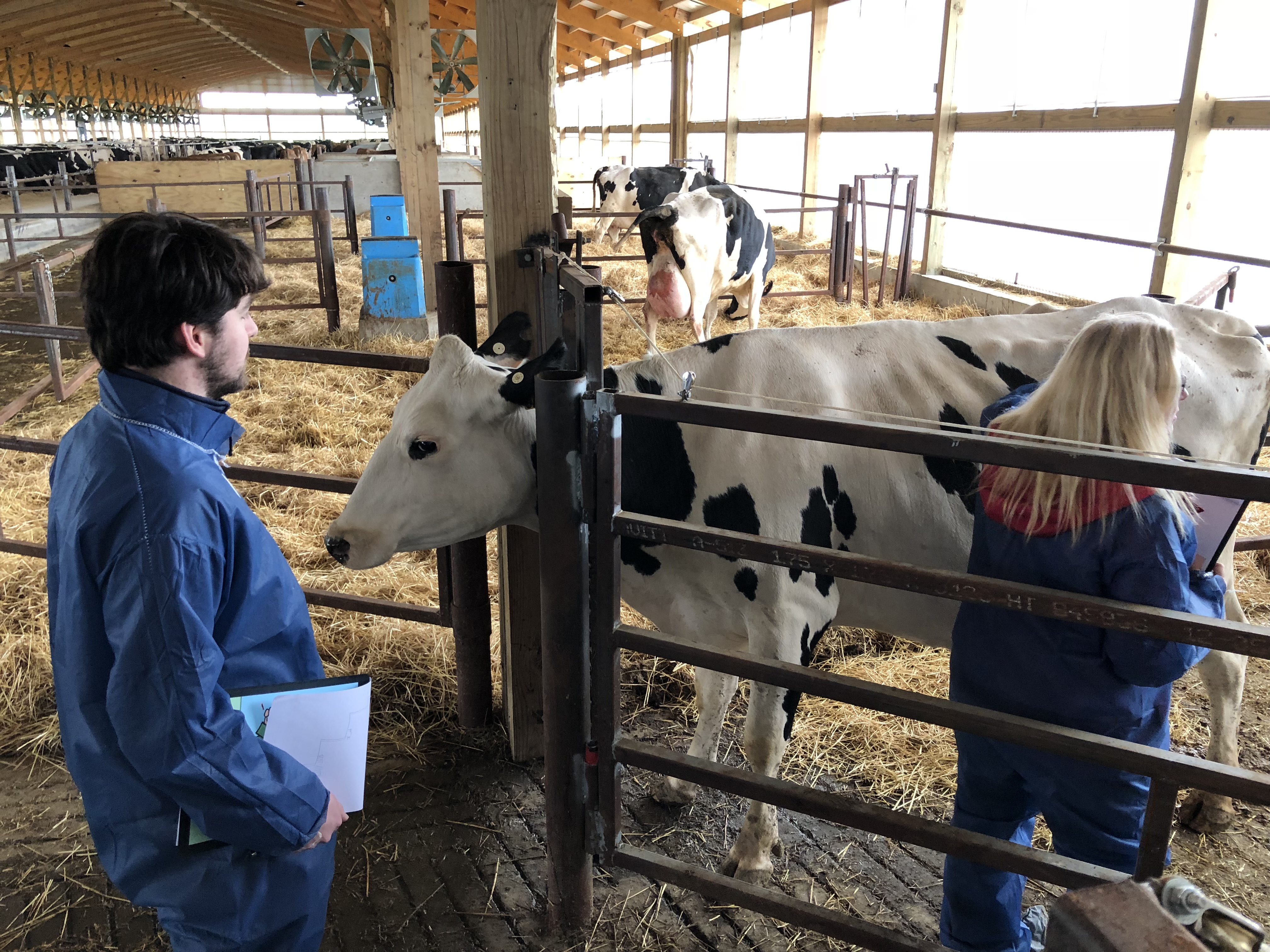
3. Close-up on one cow for details
For the close-up cow, I also find it important to touch the cow: feel for rumen fill and consistency. Also look closely for wounds and thick, irritated skin. Of course you need to do these things stress-free. Respect the cows and keep yourself quiet.
Let your cow do the talking, she’s always right
A waiting cow is your best management advisor, I always say. Cows give off signals every day, telling you what they need. You just have to see what she’s telling you. That’s why my checklists always focus on the cows, helping you interpret everything she’s saying.
Learning to assess cows in a structured way
Assessing cows in a structured manner can be simple. You just need to get a basic understanding of all factors involved: housing, feed, management, breeding, economics, milk quality and health. Than you need a checklist that looks at all these points, in a structured way. That’s it!
* The training we’re referring to is the open Certified CowSignals Master course, which included the checklist mentioned in the article.


Цитаты дня
